Podcast: Play in new window | Download (Duration: 47:41 — 32.7MB) | Embed
Subscribe: Apple Podcasts | Spotify | Android | RSS | More
In this podcast, Laura and Bernhard explore narcissism and spiritual narcissism not as labels to throw at others, but as archetypal tendencies that can work through all of us and subtly distort the ego, relationships, and the spiritual path when left unconscious.
They lay the psychological foundation by looking at healthy narcissism, ego development, shame, trauma, the false self, the different types of narcissism, and the roots of grandiosity.
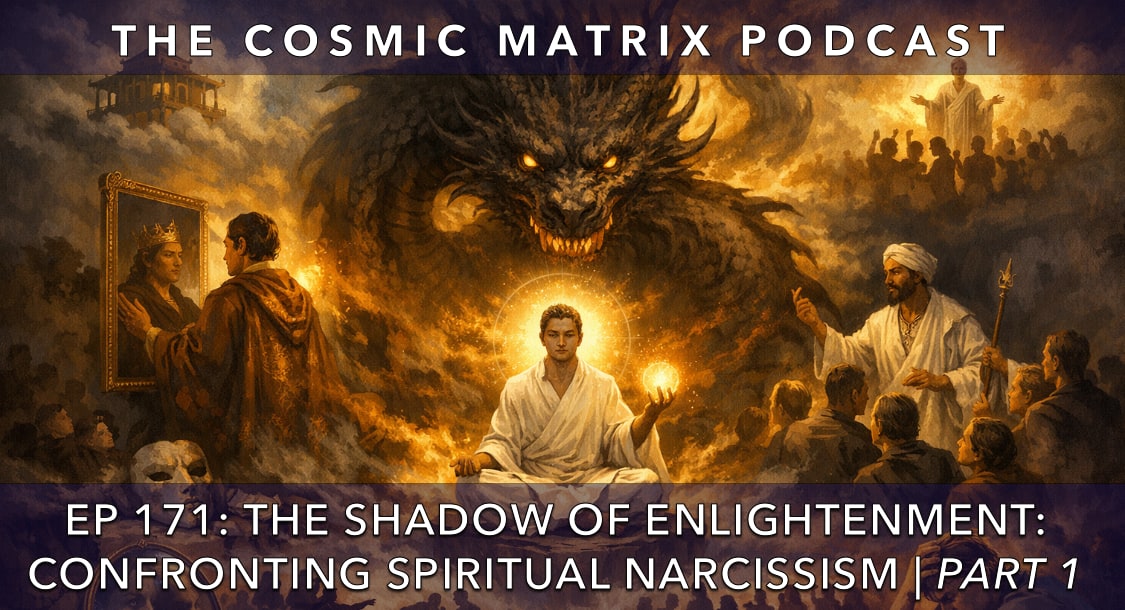
They follow that same dynamic into the spiritual realm through Robert Moore’s concept of the dragon, examining how ego inflation can disguise itself as awakening, wisdom, moral posturing, virtue signaling, spiritual authority, and false light.
This conversation is ultimately an invitation to deeper self-reflection, humility, and discernment, so we can recognize these patterns within ourselves and begin to relate to them more consciously rather than be ruled by them.
Show Notes Part 1:
- How narcissism exists on a spectrum from common traits to personality disorder
- Why this conversation requires self-reflection rather than using narcissism as a label for others
- Why healthy narcissism is necessary for self-worth, resilience, and a stable sense of self
- Why a strong ego is required for real inner work and genuine individuation
- How a healthy ego supports humility, shadow work, emotional regulation, and authentic relationship
- How a weak ego seeks validation, avoids pain, and struggles with shadow work
- What ego inflation is and how grandiosity forms around feeling special, chosen, or superior
- How inflated ego states mistake transpersonal energy for personal greatness
- Why narcissistic pathology is rooted in shame, emptiness, and inner insecurity
- How the false self forms to protect a wounded core through image, control, and admiration
- Why criticism can feel annihilating when it threatens a fragile defensive identity
- How emotional neglect, over-idealization, and attachment wounds shape narcissistic patterns
- Why narcissistic personality patterns can be understood as defenses against shame and worthlessness
- The difference between grandiose narcissism and vulnerable narcissism
- Why narcissistic traits are common but become destructive when rigid, pervasive, and relationally impairing
- How Robert Moore’s “dragon” names the archetypal force behind grandiosity
- What happens when the ego identifies with transpersonal power and becomes inflated
- How unhealed wounds can turn spirituality into a new false self and prepare the ground for spiritual narcissism
In Part 2 (only for members), we go deeper into:
- How Robert Moore’s “dragon” describes the universal force of grandiosity in every human being
- What the inner “dragon” is and why the danger lies in identifying with it or denying it
- Why the dragon is not simply evil, but a sacred power that becomes dangerous when unconscious
- What grandiosity is and how it shows up through fantasies that the ego cannot realistically contain
- How the same force behind creativity, ambition, and spiritual longing can also drive diminishment and grandiosity
- Why the central question is not whether we have grandiosity, but where it manifests and whether we are conscious of it
- The Lucifer Complex as the ego identifying with sacred or godlike power
- How archetypal possession occurs when the ego mistakes transpersonal energy for its own greatness
- Why the most dangerous forms of grandiosity often appear righteous, innocent, or holy
- How unconscious grandiosity can appear as spiritual superiority, false authority, and moral certainty
- Why tribalism lets people live out their unconscious grandiosity through a group, ideology, political side, or spiritual community
- How collective inflation creates chosenness, exclusivity, and us-versus-them thinking
- Why spiritual narcissism uses spiritual language, identity, and practice to inflate the ego rather than transform it
- What spiritual narcissism looks like in teachers, gurus, and seekers who confuse awakening with status
- How projection and idealization fuel guru dynamics, spiritual abuse, and false authority
- Why spiritual bypassing uses elevated language to avoid grief, shame, pain, and real transformation
- How Terry Real’s one-up and one-down dynamic maps narcissistic hierarchy in relationships
- Why true spiritual maturity looks less special and more humble, human, grounded, and accountable
Go HERE to listen to Part 2 if you’re a member, or REGISTER to become a member and access the membership section (including the membership forum).